

Trust isn’t a marketing tactic.It’s not a campaign, a slogan, or a clever tagline. It’s the outcome. And in today’s world—where audience
Trust isn’t a marketing tactic.
It’s not a campaign, a slogan, or a clever tagline.
It’s the outcome.
And in today’s world—where audiences are more skeptical, informed, and overwhelmed than ever—trust is the single most valuable asset a brand can build.
Not attention.
Not traffic.
Not even sales.
Because without trust, none of those things last.
Trust Is Built in the Small Moments
Most brands think trust is earned through big moves—major campaigns, bold statements, or viral content.
But in reality, trust is built quietly.
It’s in the way your website loads and communicates clearly.
It’s in whether your messaging actually matches your product.
It’s in how you respond when something goes wrong.
Trust is the accumulation of micro-experiences.
Every interaction either reinforces confidence… or chips away at it.
Great brands understand this. They don’t treat trust as a one-time achievement—they treat it as a daily responsibility.
Consistency Is What Makes You Believable
You can say anything once.
But can you repeat it—over and over again—across every touchpoint?
That’s where most brands fail.
They sound premium on their website, casual on social media, and transactional in emails. They promise one thing and deliver another. They shift tone, visuals, and messaging depending on trends.
And every inconsistency creates doubt.
Great brands are predictable in the best way.
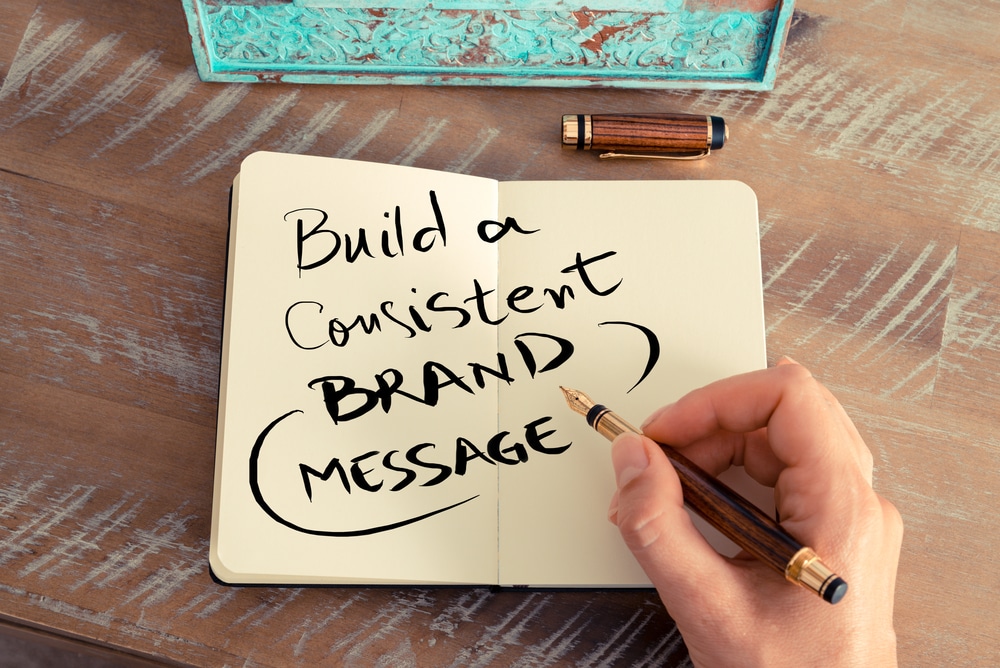
Their voice is recognizable.
Their visuals are cohesive.
Their message is clear.
Not because they lack creativity—but because they understand that consistency builds familiarity, and familiarity builds trust.
When people know what to expect from you, they’re far more likely to believe in you.
Clarity Builds Confidence
Confused customers don’t convert—and they definitely don’t trust.
If people have to work to understand what you do, who you serve, or why it matters… they won’t.
Clarity signals competence.
It tells your audience:
“We know who we are. We know what we offer. And we know how to help you.”
Great brands remove friction.
They simplify their messaging.
They focus on what matters.
They make decisions easier, not harder.
Because every moment of hesitation is a moment where trust can disappear.
Trust Comes From Alignment, Not Perfection
No brand is perfect.
Mistakes happen. Products fail. Expectations aren’t always met.
But trust isn’t built by avoiding mistakes—it’s built by how you handle them.
Great brands don’t hide when things go wrong.
They acknowledge.
They take responsibility.
They fix the issue—and communicate clearly along the way.
This creates something powerful: credibility.
Because people don’t expect perfection.
They expect honesty.
And honesty, over time, becomes one of the strongest trust signals a brand can have.
Social Proof Isn’t Optional Anymore
People don’t trust brands.
They trust other people.
Reviews, testimonials, case studies, user-generated content—these aren’t “nice to have” assets anymore.
They’re essential.
When potential customers see others having a positive experience, it reduces risk. It answers doubts before they even arise.
Great brands actively showcase proof.
They highlight real stories.
They let customers speak.
They make validation visible.
Because trust grows faster when it’s shared.

Trust Is Maintained Through Relevance
Earning trust is one thing. Keeping it is another.
Markets shift. Expectations evolve. New competitors emerge.
What worked yesterday won’t necessarily work tomorrow.
Great brands stay in tune with their audience.
They listen.
They adapt.
They evolve—without losing their core identity.
They don’t chase every trend. But they don’t ignore change either.
Because nothing erodes trust faster than becoming irrelevant.
The Real ROI of Trust
Trust doesn’t always show up immediately in your metrics.
But over time, it compounds.
It lowers acquisition costs.
It increases conversion rates.
It drives repeat purchases.
It turns customers into advocates.
And most importantly—it gives your brand resilience.
When people trust you, they don’t just buy from you.
They stay with you.
Even when competitors are cheaper.
Even when the market gets noisy.
Even when things aren’t perfect.
Final Thought
You can’t shortcut trust.
You earn it through consistency.
You strengthen it through clarity.
You protect it through honesty.
And you keep it by showing up—again and again—with the same level of intention and integrity.
Because in the end, the brands that win aren’t the loudest.
They’re the ones people believe.

COMMENTS